

Why So Many People Are Feeling Exhausted Right Now — And What Your Nervous System May Be Asking For
There’s a quiet frustration that many people are carrying at the moment.
You’re doing all the “right” things. Eating better. Sleeping more. Taking supplements. Trying to manage stress.
And yet… the tiredness lingers.
Not just physical tiredness — but something deeper. A kind of exhaustion that doesn’t seem to shift, no matter how much you rest. If this sounds familiar, you’re definitely not alone. And here’s what might be interesting: your body may not be asking you to try harder. It might be asking for something entirely different.
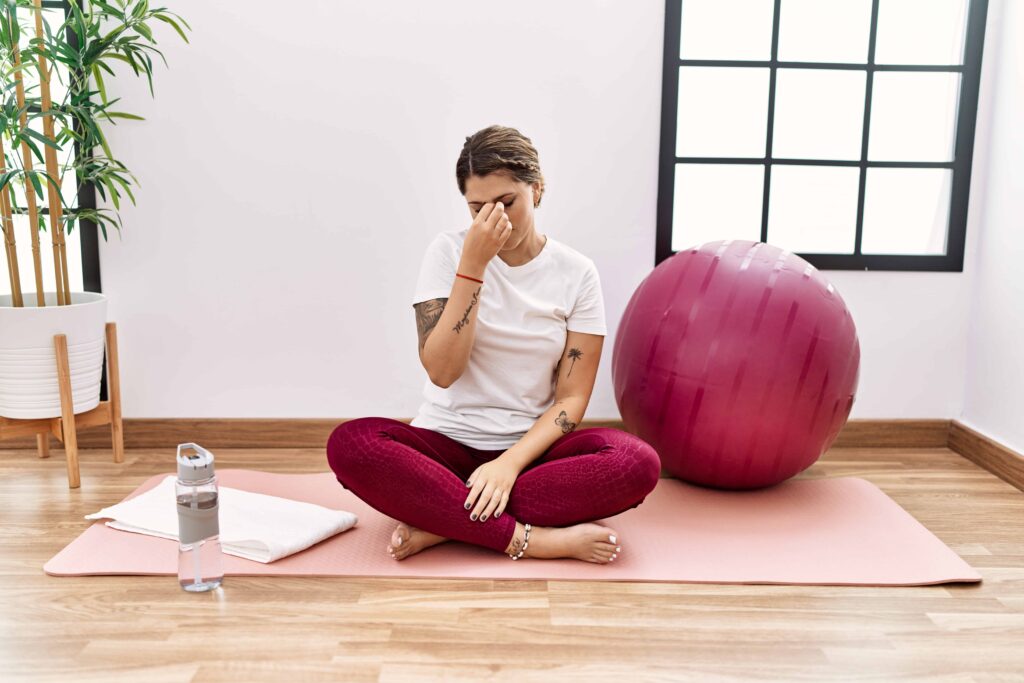
We’ve been sold a wellness culture that says: do more. More supplements. More routines. More discipline. More optimization.
But these often miss one crucial element: your nervous system’s state.
Even the most nutritious meals and consistent sleep schedules struggle to work their magic if your body is running in a state of constant high alert. Think about it—how many hours a day are you exposed to notifications, screens, pressure, tight deadlines, emotional demands, and the general feeling that everything is moving faster than you are?
Most people today are functioning in a near-constant state of stimulation without ever truly switching off. Over time, your body stops remembering what “calm” feels like, and exhaustion becomes the default setting.
Your nervous system is always working in the background, responding to everything around you. Noise. Screens. Pressure. Stress. Even when life looks manageable on the surface, your body may still be responding as if it’s under threat—constantly.
Over time, this can show up as:
- Persistent fatigue (even after sleeping)
- Sleep that doesn’t feel restorative
- Feeling “wired but tired” — restless at night, exhausted during the day
- Emotional overwhelm or sensitivity
- Brain fog and difficulty concentrating
- A lower tolerance for everyday stress
This isn’t a sign your body is broken. It’s simply a sign that your nervous system is overloaded.
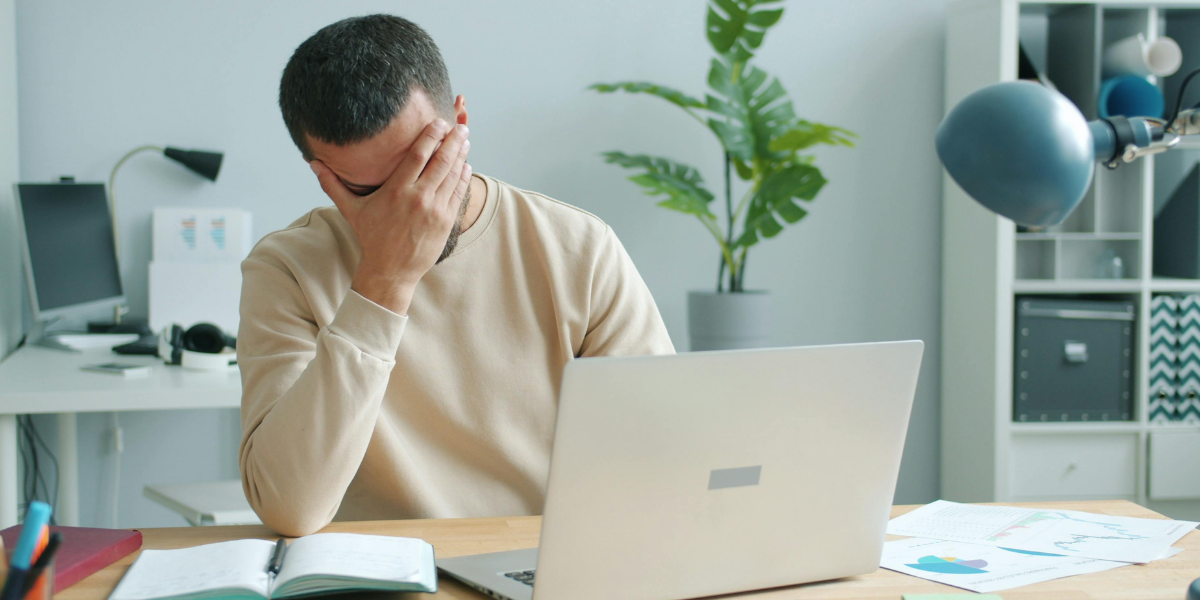
Lots of people have mentioned lately that they’re feeling more tired, more sensitive, and more “off” even when nothing major in their routine has changed.
Some of this is obvious: modern life is genuinely more demanding. We’re processing more information, facing more uncertainty, and constantly adapting to a faster pace than any previous generation.
But researchers and wellness professionals are also exploring something else: the environment itself may be shifting in ways our bodies notice.
There’s growing interest in how solar and geomagnetic activity might influence our sleep, mood, and nervous system regulation. The Earth is currently in what’s called a solar maximum—the peak of the Sun’s natural activity cycle. Some people report noticing changes in their energy, sleep patterns, or emotional sensitivity during this period. Whether or not you believe in this connection, many people report experiencing something real.
There’s also discussion about our relationship with natural electromagnetic frequencies from the Earth itself. Some research suggests our nervous systems may be sensitive to environmental changes in ways we’re only beginning to understand.
The point? Whether you view this through science, spirituality, or simple observation—something is happening, and more people than ever are feeling it.
We’re Surrounded by More Stimulation Than Ever Before
Modern life is designed to stimulate us. Phones that buzz constantly. Screens that glow. Notifications that pull our attention. Artificial lighting at all hours. A 24/7 news cycle that thrives on alarm.
Here’s what’s true: our nervous systems evolved in a quieter world.
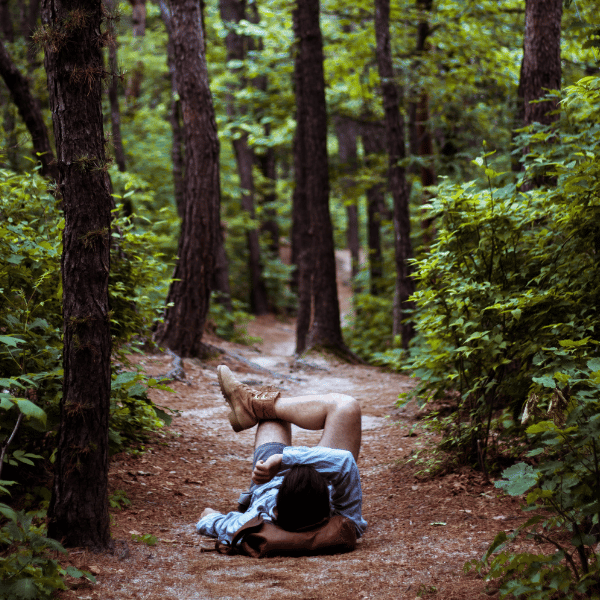
Research shows that time in natural environments—forests, oceans, mountains, near water—tends to calm us down. People report feeling clearer, less anxious, more like themselves. By contrast, many feel depleted after too much screen time or stimulation.
Creating intentional moments of calm and restoration has become more important than ever. Your nervous system isn’t asking you to be superhuman. It’s asking you to occasionally remember what calm feels like.

Beyond physical stimulation, many of us are carrying emotional weight: uncertainty about the future, financial pressure, the sense that the world is moving too fast, and the constant exposure to difficult news.
When your nervous system is in this state of ongoing alert—what’s called “fight or flight”—your body literally can’t relax, even when you want it to.
Here’s the key: true restoration requires your body to feel safe.
When you’re in genuine rest mode (what’s called the parasympathetic state), that’s when real repair happens—better digestion, deeper sleep, emotional resilience, mental clarity. But for many people right now, the body has forgotten how to get there on its own.
Why Rest Alone Isn’t Always the Answer
Here’s something that surprises people: You can sleep for eight hours and still wake up exhausted.
Why? Because sleep isn’t the same as feeling safe enough to truly relax. You can rest physically while your nervous system remains activated underneath the surface, still in protective mode, still on guard.
The body may not need more hours in bed. It may need a different environment—one where it can finally let its guard down.
A Different Kind of Support
What if, instead of asking your body to do more, we focused on creating the conditions where it can naturally reset itself?
Many people find value in intentional environments designed to support nervous system regulation—spaces where the body can relax more deeply, sleep better, and feel more grounded.
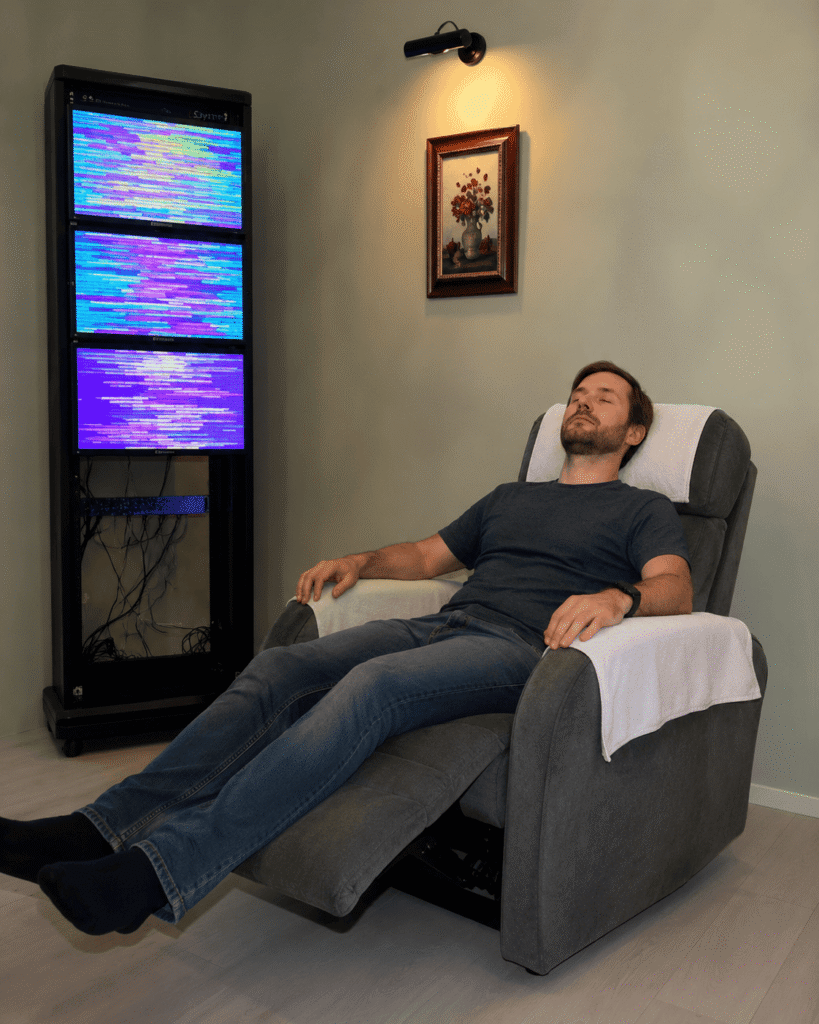
The EESystem™ is a place where this environment exists in abundance. It creates a coherent bioactive field designed to support relaxation and balance. Many people report that time in these spaces helps them feel calmer, sleep more deeply, think more clearly, feel more emotionally balanced, and move out of chronic stress patterns.
Rather than forcing your body to change, the approach is simple: create an environment where your body’s nervous system can naturally reset itself.
An Invitation
This season of life is asking something of all of us—but maybe it’s not asking you to push harder.
Maybe it’s inviting you to:
- Slow down
- Reconnect with what calm actually feels like
- Create more peace in your environment
- Move from constant survival mode into genuine rest
- Support your nervous system in a different way
Because when your body finally feels safe and supported, something shifts. It often finds its own rhythm again.
Is your body is asking you for a different kind of support?
Find a centre near you and experience it for yourself.