


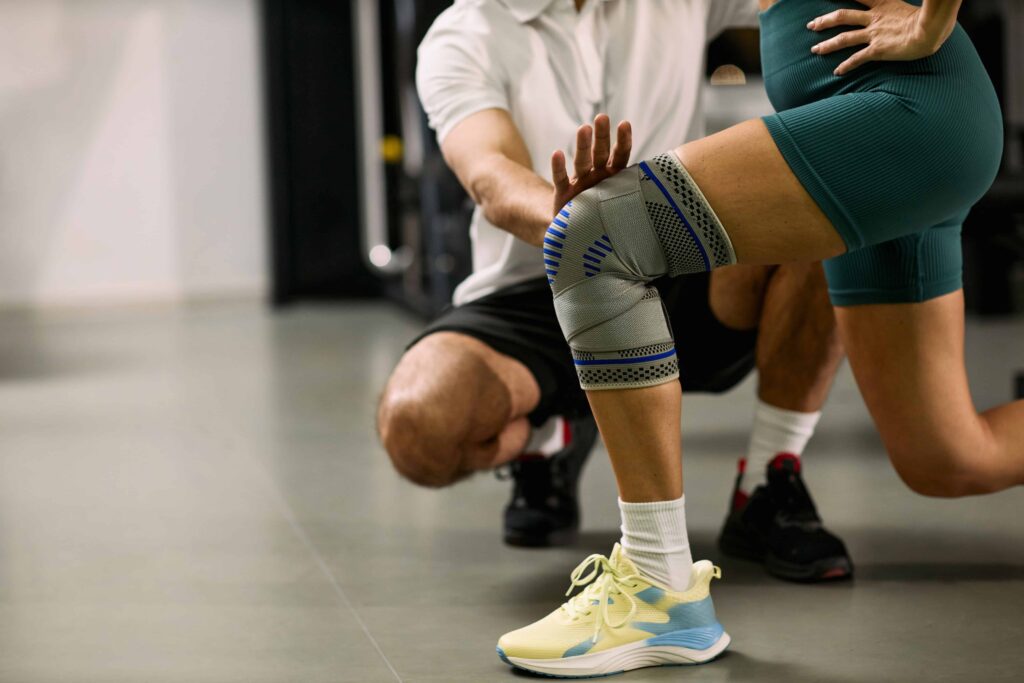
Why Winter Makes Joint & Muscle Pain Worse — and How to Reset
Cold weather can make joint and muscle pain worse. Discover why and how EESystem™ therapy supports your body’s natural recovery this winter.
If your joints have been feeling stiffer, your shoulders tighter, or your old injuries a little louder these past few weeks, you’re not imagining it. Winter genuinely changes how your body carries pain and understanding why is the first step to doing something about it.
Why Cold Weather Turns Up the Volume on Pain
There’s real physiology behind that “achy in winter” feeling. As temperatures drop, blood vessels constrict to preserve core body heat, which means less circulation reaching your joints and muscles. Less circulation means less oxygen and nutrients getting to the tissues that need them most, and stiffness follows.
Barometric pressure changes that come with winter weather also affect the fluid and tissue around your joints, which is why so many people with arthritis, old sports injuries, or chronic back pain notice a flare-up right before a cold front moves through.
And then there’s the quieter contributor: winter changes our behaviour. Shorter days and colder mornings mean less movement, less stretching, less time outdoors, and muscles that don’t move regularly tend to stiffen and guard more easily. It becomes a cycle: pain discourages movement, and lack of movement worsens pain.
The Toll Beyond the Physical
Persistent pain in winter doesn’t stay in the body. It affects sleep, mood, and energy, and for many people, the months of June through August become something to simply push through rather than enjoy. That’s worth naming, because so much wellness content treats winter pain as purely mechanical, when really it touches how present and capable you feel in your own life.
This is where we think about wellness differently. Not managing pain as a problem to suppress but supporting your body’s own capacity to recover and regulate itself.


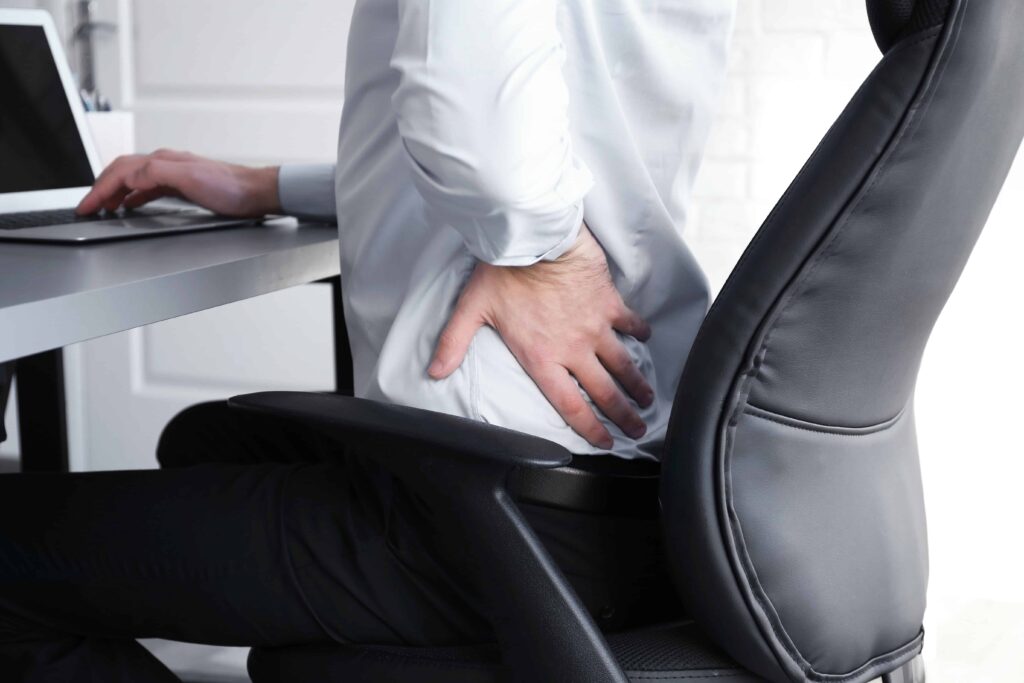
How EESystem™ Supports Your Body’s Natural Recovery
This is where the Energy Enhancement System comes in and it’s worth explaining properly, because it works differently to most pain-relief approaches you may have tried.
- It works at the cellular level. Every cell in your body relies on a small electrical charge, cellular voltage, to function well, repair itself, and communicate with the rest of your body. Chronic pain, inflammation, and stress are all associated with lower cellular voltage. EESystem technology creates a biofeedback field of scalar energy designed to help raise that voltage, giving your cells more of the energy they need to do their own repair work.
- It supports your body’s ATP production. ATP (adenosine triphosphate) is essentially cellular fuel. The energy currency your body uses for everything, including reducing inflammation and healing tissue. Many guests describe feeling like their body has more “resources” to work with after a session, which is consistent with what improved cellular energy availability can support.
- It works with your nervous system, not against it. Chronic pain often keeps the nervous system in a heightened, guarded state. During a session, the environment is designed to help your body shift out of that state. Deep relaxation is common, and many guests fall asleep entirely, which is a sign the nervous system is finally getting a chance to downshift.
- It’s cumulative, not a single fix. Like most things that support real recovery, EESystem works best with regular sessions rather than a single visit, (although amazing improvement has been noted after only one session). Many centres offer 2, 4, 6-hour and overnight sleepover session options, and guests managing chronic pain often find a rhythm of weekly or biweekly sessions makes the most difference over time.
To be clear: EESystem is not a medical treatment and doesn’t replace advice from your doctor or physiotherapist, especially for diagnosed conditions. What it offers is a supportive, non-invasive space for your body to do what it’s naturally designed to do — repair, regulate, and restore itself — which is exactly the kind of support winter-weary bodies often need most.
What to Expect if Pain Relief Is Your Focus
If you’re coming in specifically for pain, most centres will suggest starting with a 2-hour session so your body can settle in without overstimulation. You’ll be fully clothed, comfortably seated or lying down, in a calm, dimly lit room. There’s nothing to “do” — many guests read, meditate, or simply rest.
Common experiences include warmth, gentle tingling, deep relaxation, and, very commonly, falling asleep. That’s not a sign the session isn’t working; for a lot of guests, it’s the clearest sign their body finally felt safe enough to properly rest.
Afterwards, take it easy for the rest of the day if you can. Drink water and pay attention to how your body feels over the next 24–48 hours rather than expecting instant results in the room.
A Gentler Winter Is Possible
Winter pain can feel like something to simply endure until spring. It doesn’t have to be. Supporting your body’s own recovery systems, through movement where you can manage it, and through restorative approaches like EESystem, can make a real difference in how you experience these colder months.
If you’ve been curious about trying EESystem for pain relief, winter is actually a good time to start. Your body could use the support now, not just when the weather warms up.
Ready to feel the difference? Find your nearest certified EESystem™ centre and book your first session today.

Some frequently asked questions:
How many sessions before I notice a difference with pain?
Everyone’s body responds differently. Some guests notice a shift in tension after their first session; for chronic or long-standing pain, most centres recommend a series of sessions over several weeks for the most meaningful results.
Is EESystem safe if I have an existing injury or condition?
EESystem is non-invasive and generally suitable for all ages and most conditions. If you have a serious or recent injury, it’s always worth a quick check with your doctor first — and letting your centre know beforehand.
Do I need to do anything during the session?
No. You simply relax, sit, or lie down. There’s no massage, manipulation, or physical contact involved.